


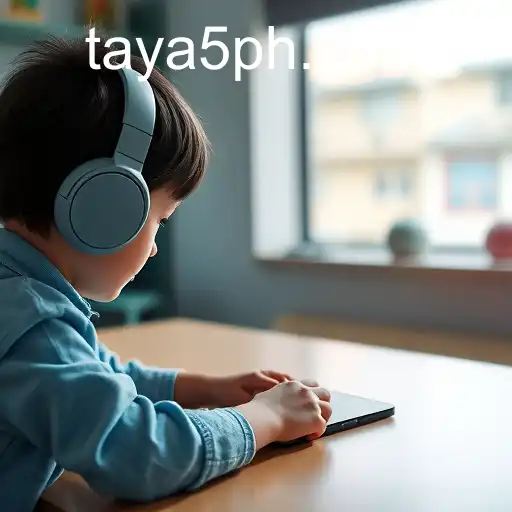
In recent years, the integration of gaming principles into educational environments has drastically changed the way people learn and engage with educational content. This approach, known as gamification, uses elements of game design, such as point scoring, competition, and rules of play, to enhance learning experiences. As we navigate through the year 2025, the education sector continues to experience this dynamic shift with platforms like 5ph leading the way.
Gamification in education, once considered a novel concept, is now becoming a staple in curriculums across the globe. The adoption of gamification strategies is not only limited to the younger generation, which is naturally inclined towards digital interfaces, but is also expanding into adult education and professional development programs. The key to this trend is accessibility and adaptability, and 5ph's platform plays a crucial role in this.
5ph, an English game website, has positioned itself at the forefront of the gamification movement. The site offers a variety of educational games designed to cater to different learning styles and objectives, enhancing the engagement and retention of learning materials. Teachers and educational institutions have started to incorporate 5ph's games into their teaching methods, finding that gamified learning increases student motivation and classroom participation.
The rise of gamification has sparked numerous studies and reports that further reinforce its benefits. According to a 2024 study by the Global Education Research Initiative, classrooms that have integrated gaming elements showed a 40% increase in student performance over their traditional counterparts. Such statistics underscore the potential of gamification to revolutionize education systems, aligning them more closely with the digital habits of today's learners.
However, the integration of technology into educational frameworks is not without its challenges. Skeptics argue that the reliance on technology could potentially widen the digital divide and threaten the quality of traditional learning methods. Nonetheless, proponents of gamification insist that, with platforms like 5ph, these risks are mitigated by the opportunities for personalized learning experiences and the potential for global reach.
As we look to the future, the intersection between gaming and education promises exciting developments. With 5ph continuing to innovate and adapt to the evolving educational landscape, the potential for impactful learning is boundless. This ongoing transformation is not only a narrative of technological advancement but also one of an educational renaissance, where learning meets play.